
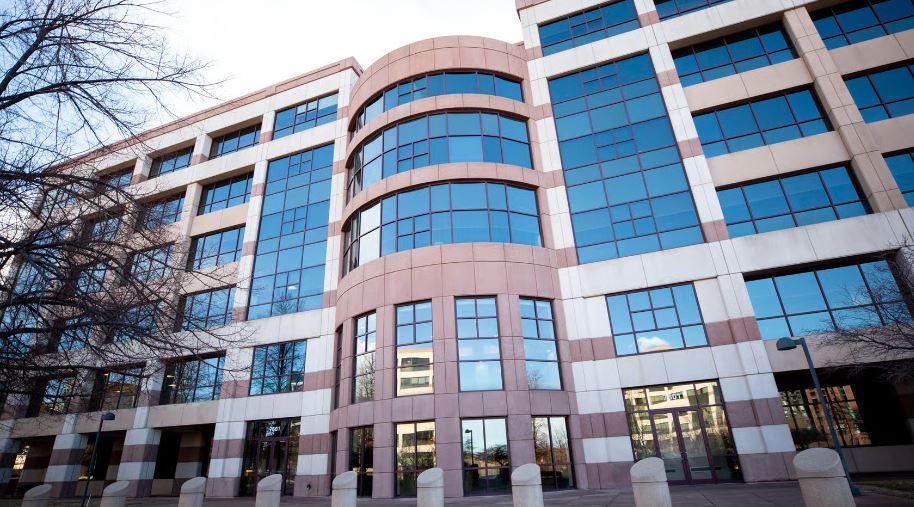
A striking shift is underway in Denver’s real estate market, potentially signaled by a six-story office building in the Denver Tech Center. Despite its relatively young age of 30, a developer has filed plans to demolish the 140,000-square-foot structure on Technology Way and replace it with approximately 660 new rental units.
This move is expected to become a growing trend as office vacancies climb and property values drop across the Denver metro area. Not far from this site, the former Arrow Electronics headquarters was torn down for housing after only 24 years.
Jessica Ostermick, senior managing director for CBRE in Colorado, anticipates a rise in office building demolitions, from office parks like the DTC to empty skyscrapers downtown. She emphasizes that while creative reuse is preferred, the economics must align.
The pandemic-driven shift to remote work caused a dramatic plunge in demand for office space. By the end of 2025, nearly 30% of office space citywide was vacant, with the downtown area suffering even more at about 38% vacancy. This has led to steep declines in office building values and financial distress for many owners, creating opportunities for major changes.
While some developers are attempting to convert offices to residential use, this is often costly and difficult, especially for modern buildings with large floorplates and fixed windows. Consequently, demolition—even for structures built only a few decades ago—may become the more common path.
Denver’s office market has been slow to recover compared to other major U.S. cities. The overall U.S. market showed positive net absorption (a decrease in vacancy) in early 2024, but Denver didn’t achieve this until the last quarter of 2025. This lag is partly due to tech companies being slow to return to or expand in downtown offices, unlike what’s being seen in markets like New York, San Francisco, and Seattle, which are experiencing increased demand fueled by the AI boom.
Despite a headline vacancy rate that sounds concerning, Ostermick remains optimistic. She notes that the 40% vacancy figure can be deceptive; older, poorly maintained buildings are struggling the most, while newer, higher-priced properties, such as those in Cherry Creek, are performing much better. She suggests that the high vacancy number is skewed because tenants are avoiding buildings where owners can’t afford necessary improvements.
Finally, a factor that may help current office owners is the lack of new competition: hardly any new office buildings are being constructed in Denver right now—instead, they are being torn down.